
When Space Expands: Will More Square Footage Improve My Work Fit?
After 11 years of cramped apartment living I'll soon find out

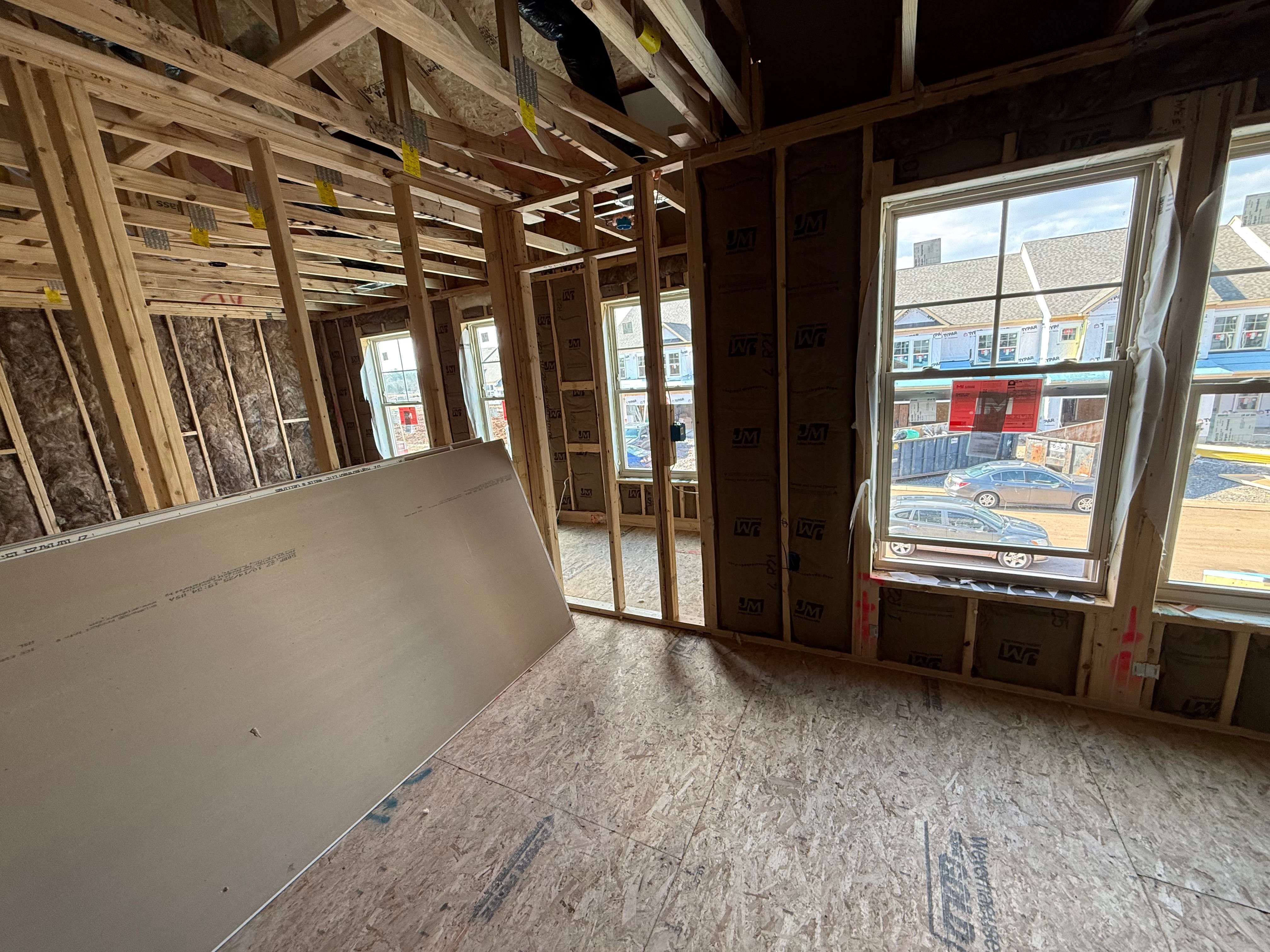
Since 2015, my living and working life has unfolded inside roughly 600 square feet of leased apartment space.
During that run, my modest footprint was home to my wife, our daughter (during her high school years), a small dog, and me.
It was also staging space for our vintage clothing business and studio for my live show podcast.
As the Executive Producer and Host of What’s Your Work Fit? the constraints of a small footprint rarely felt limiting.
My studio required little more than a table, a chair, a desk lamp, a laptop computer, a microphone, a pleasant looking backdrop, and, enough sound baffling from old towels and chewed up dog blankets to broadcast high-quality live shows.
Conversations on the live show do not need ample space to air out.
And story telling, I learned, adapts remarkably well to footprint compression.
Still, our space shapes us, often more than we realize while we’re living and working inside of it.
This May, my wife and I will move into new quarters. And, as a result, our intentional living and working environment will expand by a factor of four.
For the first time in more than a decade, I will not merely fit my work into my living space. I will design space around the work I do, and, around the lifestyle I cherish.
And that raises a question that I did not anticipate asking:
Does more physical space improve Work Fit?
Or does it simply amplify who we already are?
The Myth of “More Space = Better Work”
Modern culture quietly promotes a spatial promise: more room equals more productivity, more calm, more success. Larger homes, dedicated offices, separate studios; these are framed as upgrades not just in lifestyle but in capability.
Yet history suggests otherwise.
Writers have produced masterpieces from cramped condos. Entrepreneurs like Steve Jobs launched their companies from two-car garages. Broadcasters built audiences from walk-in closets filled with heavy winter clothing to dampen sound.
Constraints often sharpen intention. Limited space forces clarity: What matters enough to stay? What must go? What earns precious physical presence?
In 600 square feet, every object of ours negotiated for relevance. Every piece of equipment justified its existence.
That discipline may have been an invisible contributor to my Work Fit.
Space as a Psychological Actor
Physical environments become intentional in affecting thoughts and emotions.
Small spaces create proximity between our work roles, identities, and responsibilities. Work bleeds into life, but life also softens work.
The boundary is porous.
Expansive spaces introduce something different: choice.
A separate podcast studio may allow deeper creative immersion. A distinct workspace may signal psychological “on” and “off” states. Movement between rooms may become movement between modes of thinking.
But expansion carries risk as well.
More space can dilute focus. It can invite accumulation instead of intention. Without care, abundance replaces clarity.
The question, then, is not whether space grows, but, whether Work Fit grows with it.
Designing Our Space for Work Fit
Work Fit happens when work becomes a wonderful part of the day doing other wonderful things. Physical space can either support that harmony or quietly unravel it.
As I imagine this new home of mine, I am realizing that its square footage alone won’t determine success. Design decisions will.
Not design in the aesthetic sense alone, though beauty matters, but in behavioral terms:
➡️ Where will creative energy live?
➡️ Where will rest find protection?
➡️ What spaces encourage conversation and curiosity?
➡️ What areas remain intentionally empty?
And, in the spirit of all of this, I’ve turned to an ancient practice, Feng Shui, to make sure that the new work and living space is harmonious.
The Transition From Efficiency to Intention
Apartment living trained me toward efficiency. Every corner had purpose. Every routine minimized friction.
A larger home invites something new: intentionality.
Out: How do I fit everything in?
In: What deserves space at all?
This shift feels less like an upgrade and more like an experiment.
Will a dedicated podcast production studio elevate the conversations that I host? Will separation between living and working space restore my energy at the end of the day? Or will I discover that my Work Fit was never about physical expansion, but about clarity of the purpose that is carried within me?
Space Doesn’t Create Identity, It Reveals It
There is a quiet truth about transitions like this: new environments rarely transform us overnight. Instead, they gradually reveal habits that we have already formed.
If I bring distraction into a larger home, it will expand with me.
If I draw into it intention, that too will scale.
The move, then, is less about upgrading surroundings and more about testing alignment between environment, work, and self.
For the first time in years, I will not be adapting my work to my space.
Instead my space will be adapting to my work.
And, in matter of weeks, I will learn whether Work Fit expands when the walls do.
Our best days lie ahead.
Image credit: New podcast studio (2/27/2026), Dan Smolen
I’m Dan Smolen. As host and executive producer of What’s Your Work Fit? I help you make your work and workplace decisions result in better and more satisfying professional experiences and outcomes. I am also a Founding Member of The Future of Work Alliance.